Picture this!

- You wake up in the morning when Google Home prompted you.
- As you walk to the bathroom, 2 claps and the lights turn on.
- A quick glance at your smart mirror, you know the weather and time of the day.
- As you walk to the fridge, it automatically reminds you to drink water.
- With no keys at all, your door automatically locks itself while you head to work.
- Within a 5 meter proximity, your car unlocks itself.
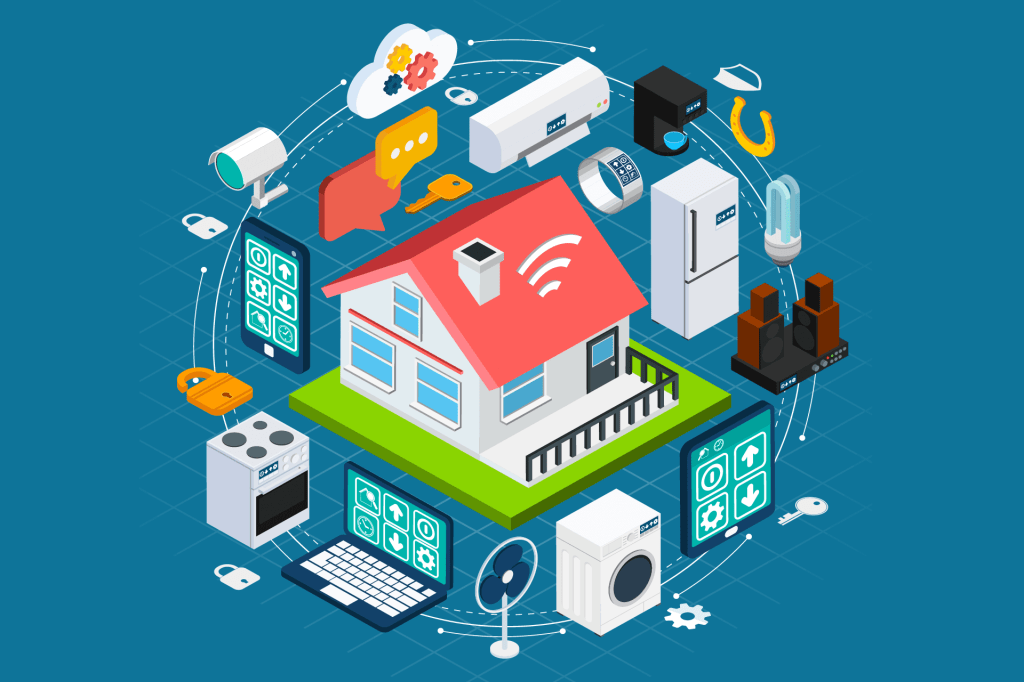
Sounds amazing right? Well… I agree. This is the Internet of Things (IoT), where physical devices around the world are now connected to the internet, all collecting and sharing data. This includes everything from mobile phones, coffee makers, washing machines, headphones, lamps, wearable devices and almost anything else you can think of.
According to Statista, there were an estimated 22 billion IoT connected devices in use around the world at the end of 2018, and its forecasted to hit 50 billion by 2030.
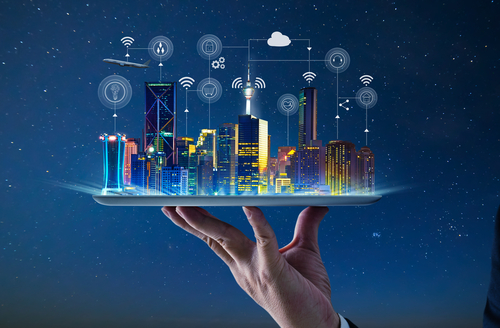
With that, it changes the whole landscape of how organizations view their businesses moving forward. With the IoT in place, businesses are able to utilize data collected to generate actionable outcomes, while simultaneously monitoring and analyzing these data to make better decisions.
According to IMDA,
On an Economical level, it increases productivity through operational efficiency and addressing manpower shortage.
On a Societal level, it optimizes healthcare delivery and offer lifestyle convenience.
On a Safety and Security level, it improves food safety and safeguards security.
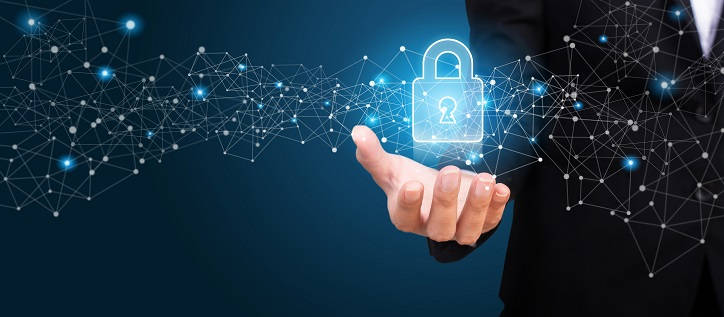
However, while IoT can lead to higher efficiency, it poses certain risks as well. On today’s topic, I will be discussing about specifically, privacy.
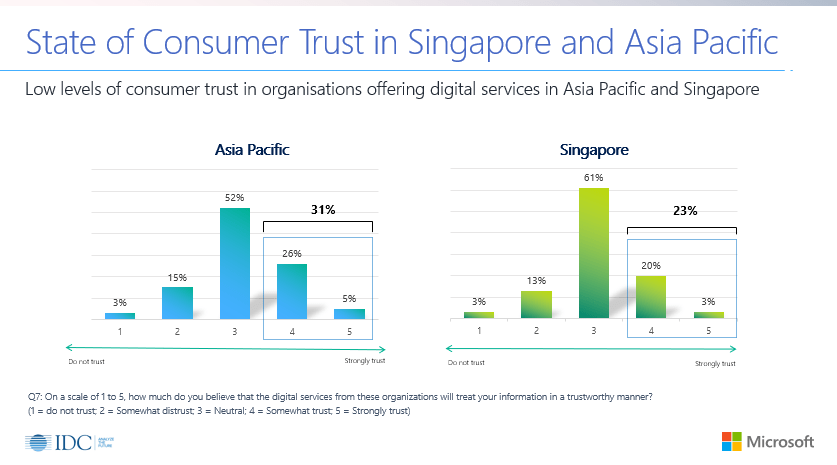
A study done by Microsoft suggested that less than 1 in 4 Singapore consumers trust organisations that provide digital services to protect their personal data. This figures places Singapore below the Asia Pacific average of 31%.
This reflects that consumers are aware and sensitive of what kinds of data are collected and what businesses do with their personal data. An example of misusing data would be how a British political consulting firm, Cambridge Analytica harvested the data of at least 87 million Facebook users without their knowledge after obtaining it from people who partook in a quiz app. Cambridge Analytica then sold this data to the Donald Trump campaign, which used it to target election messages at Facebook users in the 2016 presidential election campaign. This shows how weak practices of data security could lead to undesirable outcomes.
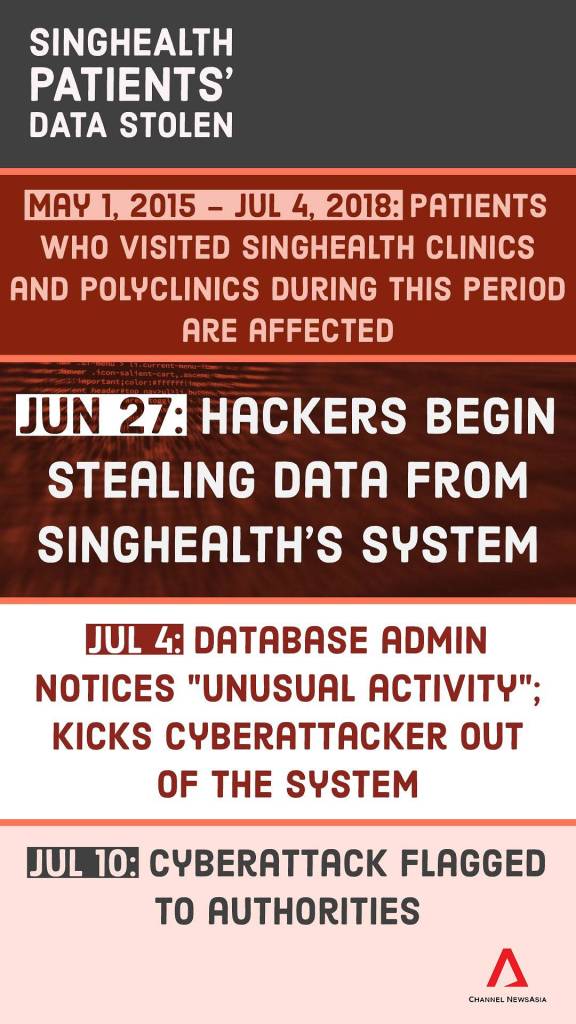
Again, with IoT creating an endless potential for digital connectivity, organizations are more inclined and more heavily reliant on such opportunities. In turn, this gives external parties such as hackers, more chances to hack into cyber systems to acquire sensitive information. A pretty recent example would be the stolen personal data of SingHealth patients. A total of 1.5 million non-medical personal data was stolen, even the data of Prime Minister Lee Hsien Loong. Thus, there is an urgent need to protect and store such sensitive information securely to prevent any data breach.
I recently watched a TedTalk on the danger of IoT devices by Professor Yuval Elovici, the Head of the Cyber Security Research Center at Ben Gurion University, where he mentioned how people are subconsciously feeding data to organizations, and how such situations can be dangerous as these data can be used to learn many things about us. Take some time to watch it, pretty insightful I would say!
In all, with studies and researches defining how the IoT can be beneficial for the world in the future, we must also understand the risk that are exposed to us. For now, let us all educate ourselves about what the IoT is and the potential impacts that can be seen on how we work and live.
What do you think about the future of the IoT? Let me know your thoughts below!
Cheers.


















 THE ROCKET MARKETER